

Working from home has changed how many Phoenix residents use their living spaces. A spare bedroom, converted den, or quiet corner may now serve as a permanent workplace. However, creating a productive home office involves more than positioning a desk near a window. Temperature, lighting, flooring, noise, and daily movement can all influence how comfortably the space functions.
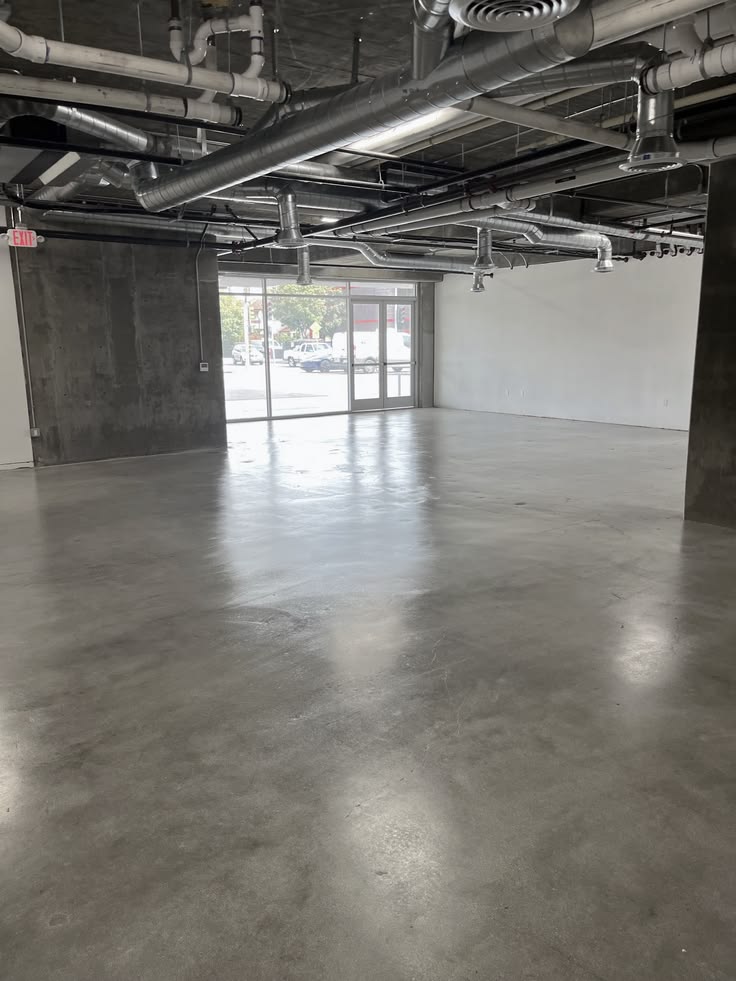
Homeowners considering polished concrete may be exploring ways to incorporate existing concrete into their office design. The decision should reflect the room’s actual conditions and intended use rather than appearance alone. A practical workspace needs to support concentration, equipment, and changing work routines throughout the year.
Phoenix Heat Influences Workspace Comfort
Phoenix summers can bring prolonged periods of extreme heat. Rooms receiving strong afternoon sunlight may become uncomfortable, particularly when computers, monitors, and other electronic equipment are operating throughout the day. Window coverings, suitable insulation, and effective cooling can help manage indoor conditions. The position of the desk also matters because direct sunlight may create glare or make certain working areas noticeably warmer.
Flooring should be considered within this broader environment. Concrete can interact with indoor temperatures, but it does not replace appropriate cooling or insulation. Homeowners should evaluate the complete room rather than expecting one material to solve temperature-related concerns.
Natural Light Needs Careful Control
Daylight can make a home office feel welcoming, but excessive brightness may interfere with computer-based work. Large windows can create reflections on screens, particularly during periods of direct sunlight. Positioning the desk perpendicular to a window may help reduce glare in some layouts. Adjustable blinds or curtains can provide additional control as sunlight changes throughout the day.
Artificial lighting remains important during early mornings, evenings, and cloudy conditions. A combination of general illumination and task lighting can support reading, writing, and detailed work. The objective is comfortable visibility rather than simply making the room as bright as possible.
Flooring Affects More Than Appearance
A home office floor supports desks, chairs, storage units, and everyday movement. Its suitability should therefore be considered alongside furniture and equipment rather than treated only as a decorative feature. Hard surfaces may interact differently with rolling chairs, furniture feet, and room acoustics compared with softer flooring materials. Appropriate chair accessories and furniture protection should follow the flooring manufacturer’s guidance.
Sound is another consideration. Rooms containing hard floors and minimal soft furnishings may experience noticeable reflections, particularly during video calls. Rugs, curtains, upholstered furniture, or suitable acoustic treatments can help manage the room’s sound characteristics without requiring the permanent floor to be replaced.
Garage Offices Require Separate Planning
Some homeowners consider converting part of their garage into a workspace when indoor rooms are already occupied. This can provide additional space, but garages introduce conditions that differ from finished living areas. Anyone researching a garage floor coating should consider the existing concrete, intended activities, and environmental conditions before selecting a finish. A coating alone does not make a garage suitable for regular office occupancy. Cooling, insulation, ventilation, electrical access, and applicable building requirements may need attention.
Where vehicles continue using the garage, exhaust exposure and safe separation from occupied work areas are particularly important. Professional assessment can help determine whether the proposed arrangement is appropriate.
Workstation Layout Should Support Daily Movement
Remote workers may spend several hours using computers, attending meetings, and reviewing documents. A practical workstation should allow comfortable positioning without encouraging prolonged inactivity. Adjustable seating, suitable monitor placement, and convenient access to frequently used equipment can support everyday comfort.
Several details deserve attention:
-
Desk placement: Position screens to reduce unnecessary glare.
-
Chair clearance: Leave enough room for comfortable movement.
-
Equipment storage: Keep cables and accessories organized.
-
Lighting: Provide illumination suited to individual tasks.
-
Movement breaks: Allow opportunities to change position throughout the day.
These arrangements can improve usability without requiring an elaborate office renovation.
A Flexible Office Can Accommodate Changing Needs
A home office may serve different purposes over time. Someone working remotely today might later use the same room for studying, creative projects, or occasional business meetings. Movable furniture and adaptable storage can make these transitions easier. Permanent fixtures should not unnecessarily restrict the room to one arrangement.
Homeowners can also review whether the workspace remains comfortable as work schedules, equipment, and household requirements change. Planning for flexibility allows the office to evolve without requiring major alterations whenever daily routines change.
Conclusion
A productive Phoenix home office should respond to the practical realities of desert living and remote work. Temperature control, balanced lighting, suitable flooring, comfortable furniture, and manageable acoustics all contribute to the working environment. Garage-based offices may require additional assessment because they differ from conventional indoor rooms. Rather than focusing entirely on appearance, homeowners can create more useful spaces by considering everyday activities and future flexibility. A thoughtfully arranged office can support concentration, comfort and changing work requirements while remaining connected to the wider home.