

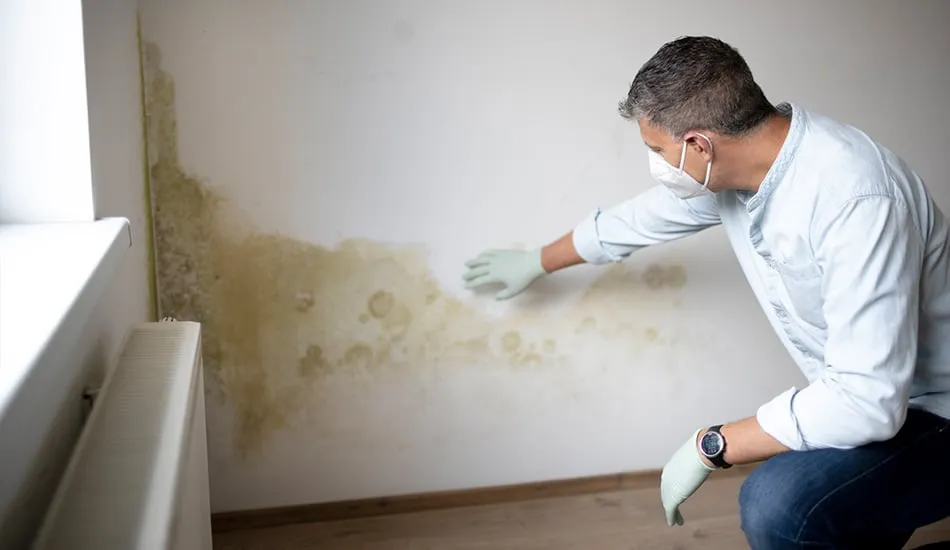

When a landlord, property manager, contractor, insurer, or consultant is scheduled to inspect a possible mold problem, tenants may feel pressure to preserve every object exactly where it is. That is rarely practical. The purpose of preparation is to create a clear record, provide reasonable access, and understand what is being inspected without disrupting necessary repairs. Someone researching a black mold attorney should also remember that dark color alone does not identify a mold species or establish a health effect. An inspection is most useful when the condition is documented factually rather than surrounded by conclusions made in advance.
Photograph the Area Before the Visit
Take clear photographs or video of visible staining, dampness, water damage, or growth before anyone begins opening walls or cleaning.
Include wider images that establish location and closer views that show detail. Keep the original files where practical so dates remain available.
Make the Area Accessible
Move ordinary clutter only as much as needed for the inspector or contractor to reach the affected wall, ceiling, cabinet, or floor.
Do not place damaged materials in a way that creates a safety hazard simply to preserve them. If an object must be moved, photograph where it was first.
Prepare a Short Timeline
Write down when the condition was first noticed, when notice was given, and what repairs or inspections have already occurred.
A one-page chronology is often more useful than trying to remember every detail during the visit. Keep copies of relevant maintenance requests nearby.
Ask Who Is Conducting the Inspection
Different visitors may have different roles. A maintenance worker looking for a plumbing leak is not performing the same task as an environmental consultant or insurance adjuster.
Knowing the purpose of the visit can help tenants understand what questions are appropriate and what kind of report, if any, may be produced.
Avoid Coaching the Inspector
Describe what you observed, but do not pressure the visitor to agree with a legal or medical conclusion.
People considering toxic mold attorneys california may later need to distinguish independent findings from statements made by the tenant. A factual conversation creates a cleaner record.
Ask What Will Happen Next
If the visitor identifies a leak, damaged material, or need for further evaluation, ask what the next step is and who will communicate the plan.
If possible, obtain important instructions or findings in writing. Do not assume that a verbal comment during the visit is the conclusion.
Keep Property-Damage Records Separate
If clothing, furniture, or other belongings have been affected, photograph and list those items separately from the building condition.
An inspection focused on the wall may not evaluate personal-property loss. Keeping separate records prevents one issue from disappearing inside the other.
Do Not Rely on Color or Odor as a Diagnosis
A musty odor or dark growth can be a reason to investigate moisture, but visual appearance cannot answer every question.
California public-health guidance emphasizes addressing dampness and visible mold rather than requiring tenants to identify species before a moisture problem is taken seriously. Medical concerns should be evaluated by appropriate healthcare professionals.
Take Notes After the Visit
Soon after the inspection, record who attended, which areas were viewed, whether samples were taken, what repairs were discussed, and any promised follow-up.
Keep the notes factual. If a written report arrives later, compare it with your record rather than rewriting the earlier notes to match it.
Continue Documenting Changes
The apartment may look different after material is removed or a leak is repaired. Photograph significant stages when practical.
Documentation should not delay urgent repairs. Its purpose is to preserve the sequence while the physical condition changes.
Conclusion
Preparing for a mold inspection does not require freezing the apartment in place or treating every visitor as a witness in a lawsuit. A better approach is to document the condition, provide access, organize the timeline, understand who is inspecting, and record what happens next.
Tenants should separate observable housing conditions from medical or legal conclusions. That makes the resulting record more useful whether the problem is resolved through ordinary maintenance or later becomes part of a habitability dispute. Clear facts are easier to evaluate than a file built around assumptions made before the inspection began.