

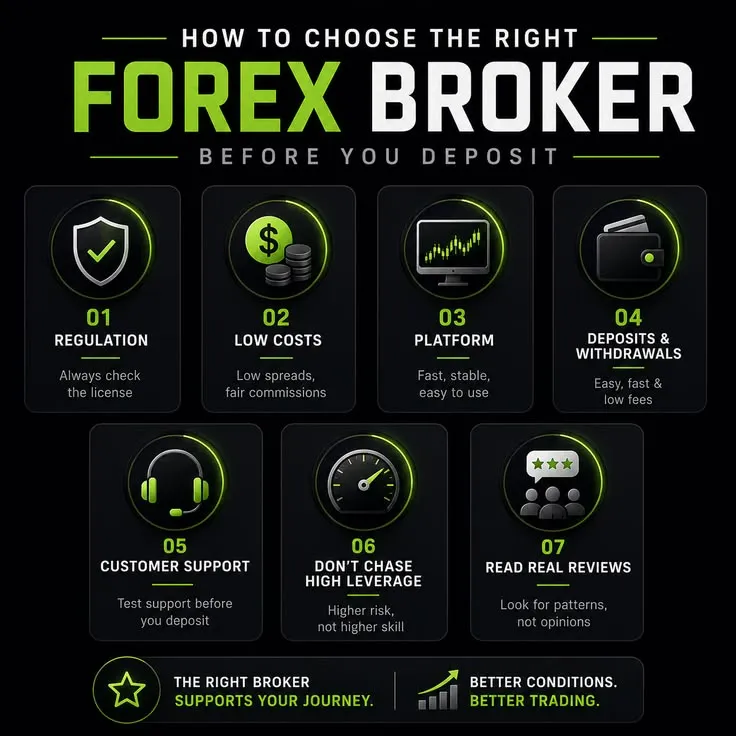

Selecting a broker and trading account requires more than comparing advertisements or headline features. Traders researching a professional best broker forex option should examine regulation, platform access, trading conditions, available markets and risk-management tools before making a decision. The right provider should suit the trader’s experience, preferred instruments and trading approach. A careful comparison can also reveal important differences in spreads, account structures and execution. Taking time to understand these details helps traders choose an environment that supports disciplined decision-making rather than impulsive market activity.
Check Regulation and Company Information
Regulatory information is an important starting point when assessing a trading provider. Traders should identify the company operating the platform, review its stated licensing information and check whether services are available in their jurisdiction. Regulatory oversight does not remove trading risk, but it can provide useful information about the framework under which a company operates. Users should also read legal documents, risk notices and account terms rather than relying solely on promotional pages. Clear company information makes it easier to understand who provides the service and which conditions apply.
Compare Markets and Platform Access
A broker should provide access to markets that match the trader’s interests without encouraging unnecessary complexity. Some traders focus mainly on currency pairs, while others may want CFD exposure to metals, indices, shares or cryptocurrency-linked markets. Platform compatibility also matters because traders may prefer desktop software for detailed analysis and mobile access for monitoring positions. Instead of choosing based on the largest instrument list, users should consider whether the available markets, charts and order tools support the strategies they realistically intend to practise and develop.
Evaluate the Trading Account
Before opening a leading forex trading account, traders should examine how the account is structured and which conditions apply to their activity. Important points can include spreads, administrative charges, margin requirements, available leverage and the way deposits or withdrawals are handled. Account types may differ, so the most suitable option is not necessarily the one with the most features. Traders should read current terms directly from the provider because trading conditions can change and may vary depending on the instrument, account type or market environment.
Understand Trading Costs
Trading costs can affect results over time, particularly for people who open and close positions frequently. Spreads represent the difference between bid and ask prices, while other account-related charges may apply depending on the provider and instrument. Traders should understand how these costs appear before placing orders rather than discovering them after trading begins. Comparing costs should also include context because extremely low advertised spreads may not describe every market condition. Volatility, liquidity and trading hours can influence pricing, making it important to review the complete trading arrangement.
Review Risk Controls
Risk-management tools should be easy to locate and understand. Traders may use stop-loss orders, take-profit instructions and position-size calculations to plan how much exposure they are willing to accept. Leverage requires particular attention because it can increase both potential gains and losses. A platform cannot prevent poor decisions, so traders still need clear personal limits. Before opening positions, users should know how margin requirements work, how much capital is exposed and what could happen if the market moves sharply against their original analysis.
Test the Trading Environment
A demo environment can be useful for learning how a broker’s platform works before real capital is committed. Traders can practise navigating charts, entering orders, adjusting position sizes and monitoring account information under simulated conditions. This period can also help them decide whether the interface feels practical for their trading routine. However, demo performance should not be treated as evidence that the same results will occur with real funds. Live markets introduce emotional pressure, changing liquidity and execution conditions that may affect behaviour and trading outcomes.
Conclusion
Choosing a broker and account should involve a balanced review of company information, market access, trading costs, platform tools and risk controls. No single feature should determine the decision, because a suitable trading environment needs to support both analysis and responsible position management. Traders can review the information and resources available through btcdana.com when comparing their options, while remembering that forex and CFD trading involve significant financial risk. Independent research, careful account selection and disciplined risk planning remain essential before committing real funds to market positions.