

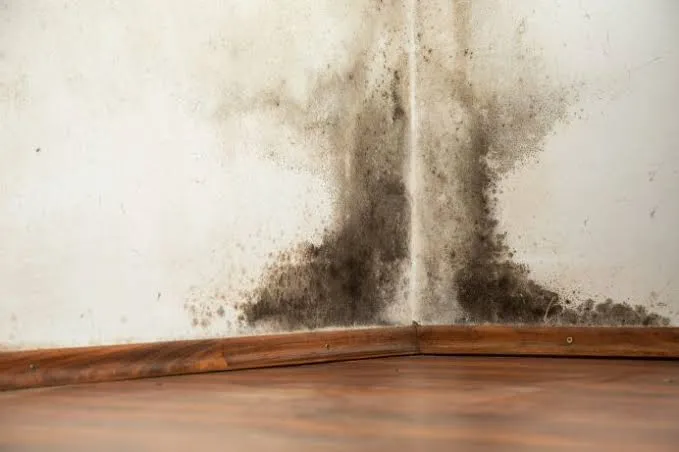

Few phrases unsettle renters like black mold. Headlines and social posts describe it as a silent poison creeping through walls, and that image sticks. The reality is more nuanced, but it is not comforting either: persistent indoor moisture can produce growth that deserves prompt, serious attention. Context always matters before conclusions are drawn. Understanding the difference helps you respond calmly.
Most dark patches in apartments are caused by ordinary mildew or other common species, not the specific mold people fear most. Still, fear is a poor guide. What matters is the cause of the moisture, how long it has lasted, and how the building’s owner responds. A clear head leads to better decisions.
What You Can and Cannot Tell by Looking
Color alone does not identify a species. Mold can appear black, green, white, gray, or orange depending on the surface and moisture level. Only laboratory testing by a qualified professional can say which organisms are present, and even then, results are one piece of a larger picture. Guessing can lead to wasted money and false reassurance.
Smell and surroundings offer useful clues. A persistent musty odor, bubbling paint, warped baseboards, or stained ceiling tiles often point to a hidden leak. Treating the visible patch while ignoring the water source is why growth so often returns within weeks. A careful approach also saves money on unnecessary cleanup.
Health Concerns Worth Taking Seriously
Reactions vary widely. Some residents notice coughing, congestion, itchy eyes, or skin irritation, while others feel nothing. People with asthma, allergies, weakened immune systems, young children, and older adults tend to be more sensitive, which is why symptoms deserve a conversation with a doctor. Early attention is simply sensible.
Medical professionals, not websites, should assess any health concern. Keeping a simple private log of when symptoms start, improve, or worsen can help, especially if relief comes when you spend time away from the home. Avoid diagnosing yourself or guessing about long-term effects. Share the log only with your doctor and trusted advisors.
Practical Steps Before Cleanup Begins
Resist the urge to scrub everything immediately. Photograph the affected areas from several angles, record the date, and note where moisture seems to originate. If belongings are involved, take pictures of them before moving or discarding anything. Those images become valuable evidence if repairs are delayed.
Next, notify the landlord in writing. A short, factual message describing the problem and asking for inspection and repair creates a record. Avoid sealing or painting over growth yourself, as that can hide the source and make it harder to show what actually happened. Keep a copy of every message you send.
How Landlord Responsibility Enters the Picture
California landlords must keep rentals habitable and respond to known hazards within a reasonable time. The state also has rules addressing disclosure of known mold in certain situations. When a landlord ignores notice, delays repairs, or applies cosmetic fixes only, tenants may have legal options. Notes and photos turn a vague worry into something concrete. Every situation turns on its own facts.
Those options can be difficult to pursue alone, especially when insurance adjusters or property managers dispute fault. A black mold attorney can review the timeline, evaluate evidence, and explain realistic outcomes without exaggeration. The goal is clarity about your rights, not alarm. Asking about process and expectations at the start builds trust.
Everyday Habits That Limit Moisture
Prevention starts with ventilation. Running bathroom fans during and after showers, using range hoods while cooking, and cracking a window when weather allows all reduce humidity. Wiping condensation from window frames and keeping furniture slightly away from exterior walls also helps air circulate and keeps hidden dampness from building.
Still, habits have limits. Tenants cannot repair a failing roof, a leaking supply line, or poor ventilation built into a structure. When moisture comes from the building itself, the duty to correct it rests with the owner, and no amount of careful housekeeping substitutes for a proper repair. If the owner stalls, los angeles mold contamination lawyers can explain what pressure is available.
Closing Thoughts
Black mold deserves respect, not panic. Learn what is actually present, protect your health, and put every request in writing. The tenants who fare best are usually those who stay organized and act while evidence is still fresh. Calm, steady action protects both your health and your rights.
Residents unsure about their next step can find helpful resources at mehdlaw.com. If conditions remain unresolved, consulting a legal professional early often gives you more time and more options than waiting. A little preparation now can prevent a much larger problem later.